Group similar dishes
Notice which recipes share a base or a main ingredient. Learning them as a family is easier than learning them one by one.
New recipes bring fresh flavours and fresh challenges to the asteroid pizzeria. Here is how to grow your menu without losing track of it.
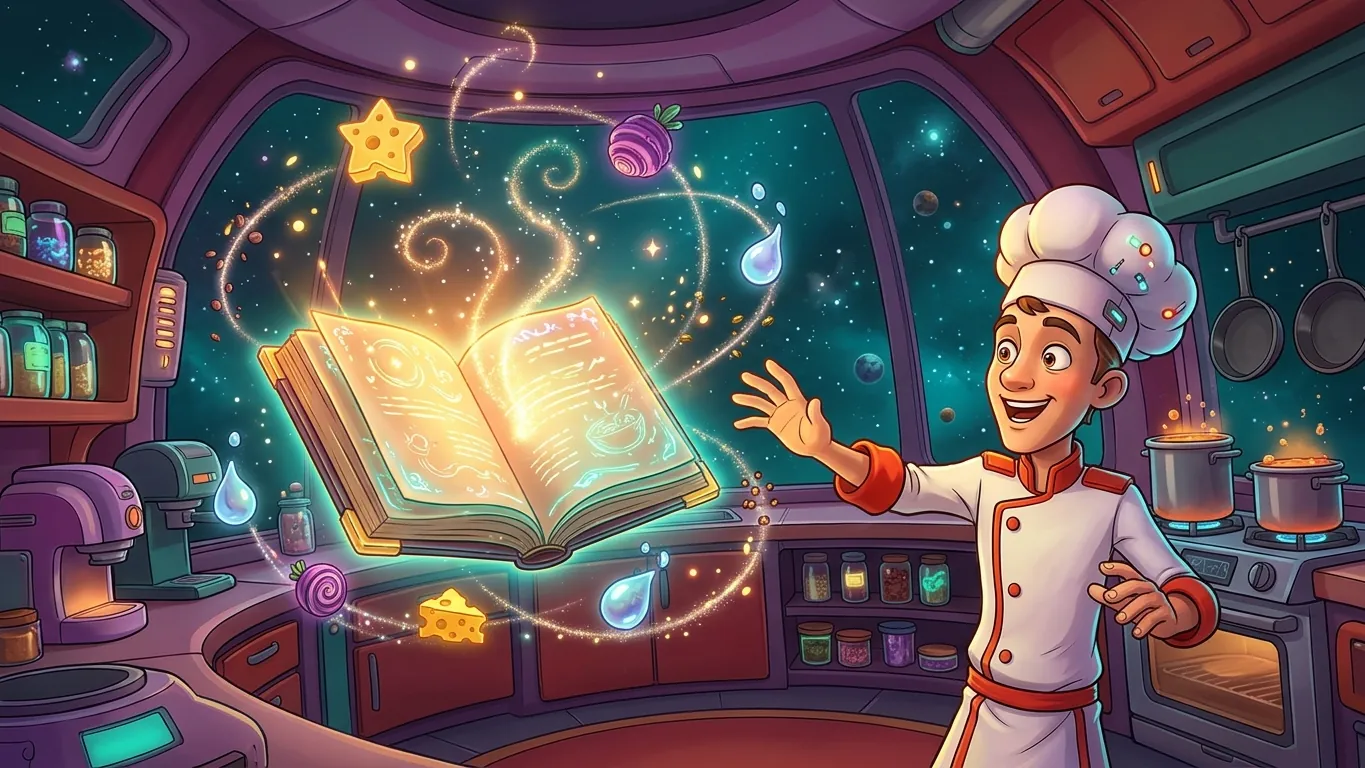
Discovering new recipes is one of the most rewarding parts of running the pizzeria on asteroid Canada. Each new dish adds variety to your menu, opens up new kinds of orders and invites you to experiment with ingredients you may not have used much before.
Recipes also change how shifts feel. A small menu is easy to remember but can become repetitive. A larger one keeps things interesting while asking more of your memory and attention. Finding the right balance is part of the fun.
This guide focuses on how to approach recipe discovery in a way that feels enjoyable, rather than overwhelming, so that every new dish feels like a small celebration.
The ingredients in this diner are far from ordinary. Alongside familiar toppings, you will find strange produce and curious sauces that suit a kitchen floating among the stars. It can help to think of each ingredient as a building block with its own role: some form the base of a dish, some define its main flavour and others add finishing touches.
When you look at a new recipe, try identifying which ingredients play which role. This makes it easier to remember, because you are learning a structure rather than a random list. It also helps when guests ask for variations, since you already understand which parts of the dish are essential.
Unusual ingredients may also behave differently in zero gravity, so handle new ones carefully until you know how they move.
It can be tempting to unlock every recipe as quickly as possible. A growing menu feels like progress, and each new dish is exciting. Yet adding too many at once can make shifts feel chaotic, especially when guests start asking for dishes you have only made once or twice.
A gentler approach is to add new recipes gradually and give yourself a few shifts to get comfortable with each one. Once a dish feels familiar, you will be ready for the next. This keeps the learning curve smooth and helps every new recipe feel welcome rather than stressful.
If you also plan to play rush mode, a smaller menu that you know well may feel easier under time pressure than a large menu you are still learning.
These small habits can make a larger menu easier to keep in your head.
Notice which recipes share a base or a main ingredient. Learning them as a family is easier than learning them one by one.
When a recipe is new, take an extra moment each time you build it. Careful repetition helps it stick.
If certain guests tend to request certain kinds of pizza, linking the two in your memory can help.
Dishes you have not made in a while can slip from memory. Building them now and then keeps them fresh.
Recipe discovery is ultimately about curiosity. The game invites you to wonder what a strange ingredient might add to a familiar dish, or what kind of pizza a particular guest might enjoy. Following that curiosity is often more rewarding than chasing a complete collection.
Take the time to appreciate each new dish when it appears. Notice how it looks, how its ingredients drift and settle, and how guests react to it. These small details are part of what makes the asteroid pizzeria feel alive.
Over time, your menu will become a reflection of your journey through the game: a record of the shifts you worked, the experiments you tried and the little successes that made the diner feel like your own.
 Rush mode: staying calm when the clock runs
Tips for the timed rush mode at the asteroid pizzeria: prepare before the timer, follow a steady routine, stay calm and learn from every attempt.
Read more
 Why a cozy diner works so well in space
An opinion piece on why a small, warm pizzeria among the stars feels so inviting, from bright cartoon colours to gentle humour and playful pressure.
Read more
 A Canadian diner among the stars
An explainer on the setting of the asteroid Canada pizzeria: a diner founded by Canadian space travellers, a waystation for aliens and a theme of…
Read more