Orbital delivery routes explained
Pizzas from asteroid Canada travel along routes that never stop moving. This explainer looks at how to read them and when to launch.
What makes orbital delivery different
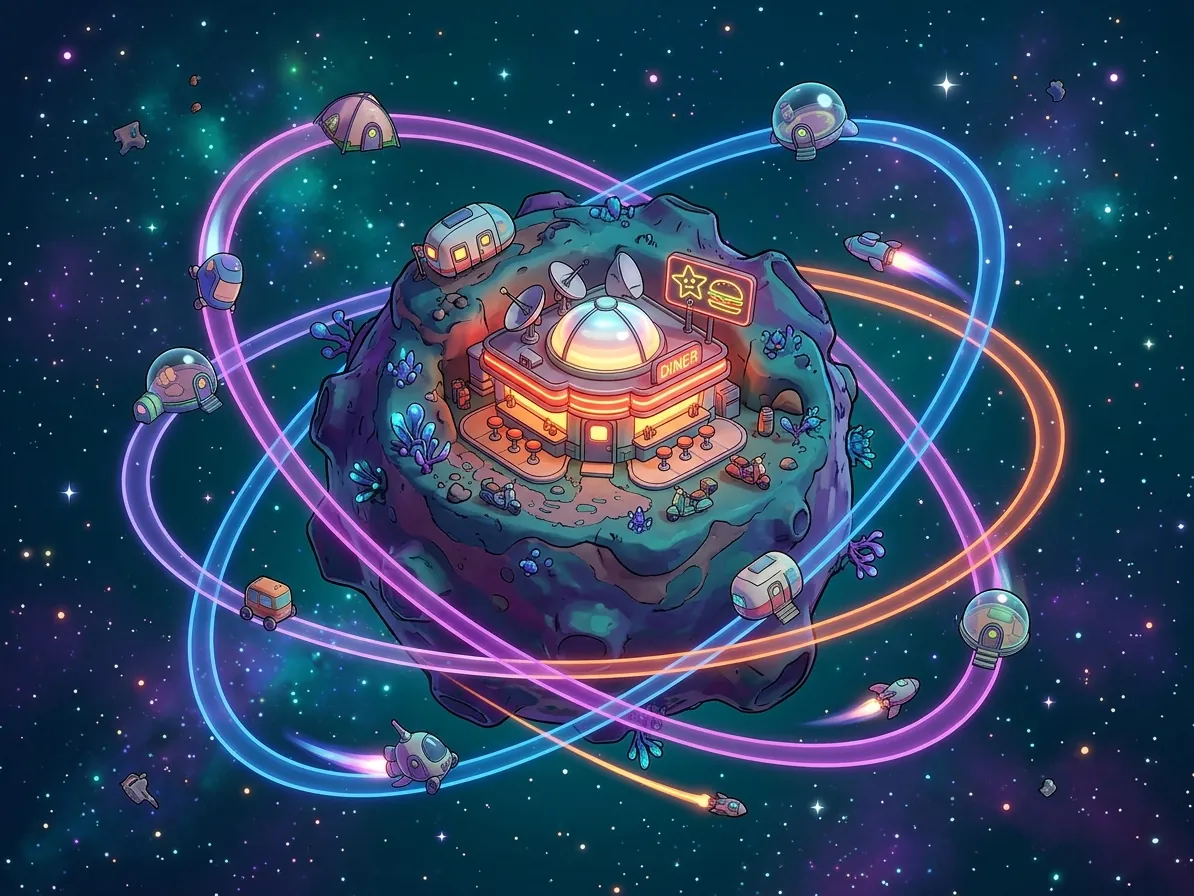
In most cooking games, a finished dish simply goes to the customer. At the pizzeria on asteroid Canada, it begins a journey. Deliveries travel along orbital routes around the asteroid, and those routes move. A destination that was close a moment ago may now be on the far side of its path.
This turns delivery into its own small challenge, separate from cooking. A perfect pizza still needs a well-timed launch to arrive smoothly. It also adds a layer of planning to every shift, because the kitchen and the sky are always asking for attention at the same time.
The good news is that motion is predictable. Once you learn to read how routes behave, launching becomes a satisfying moment rather than a guess.
Reading the moving map
Before launching, take a moment to look at the space around the asteroid. Notice where the destination is, which direction it is travelling and how quickly. Routes that loop close to the asteroid may come around again soon, while longer paths may take more patience.
It helps to think of the routes as a slow dance rather than a fixed map. Each destination has its own rhythm. Watching one full cycle, even briefly, tells you a lot about when the next good opportunity will appear.
This habit also reduces stress. Instead of reacting to wherever the destination happens to be, you begin to anticipate it. That shift from reacting to anticipating is often what separates a hectic shift from a smooth one.
Timing a launch window
A launch window is simply a moment when sending the delivery feels clean: the path is clear and the destination is approaching rather than moving away. Waiting a few seconds for a better window can save more time than launching immediately and watching the pod take the long way around.
That said, waiting has a cost too. While you watch the sky, other guests may be waiting at the counter. A practical compromise is to finish the pizza, glance at the route and decide quickly. If a good window is close, wait for it. If it is far off, consider starting the next order and returning to the launch when the timing improves.
Over time you will develop a sense of which routes are worth waiting for and which ones are fine to launch on right away.
A calm launch routine
This short routine keeps deliveries steady without slowing the kitchen too much.
- 01
Finish the pizza fully
Check every ingredient and any special condition before thinking about the launch.
- 02
Locate the destination
Find where it sits on its route and which way it is heading.
- 03
Estimate the next window
Decide whether a clean opportunity is close or whether it is worth starting another order first.
- 04
Launch with intention
Send the delivery when the window opens, then turn your attention straight back to the kitchen.
Balancing delivery with kitchen work
The real skill is not in delivery alone but in weaving it together with cooking. Some players like to finish a pizza, launch it and only then begin the next one. Others prefer to start a new order while waiting for a launch window. Both approaches can work, and the right choice often depends on how comfortable you feel with floating ingredients.
If you find yourself losing toppings while watching routes, lean toward the first approach. If your kitchen is tidy and you have time to spare, overlapping tasks may feel more efficient.
Whichever style you choose, consistency helps. A routine you repeat every time is easier to rely on when the diner gets busy, and it becomes especially valuable in the timed rush mode, where every launch counts.
Related articles
 Reading quirky alien orders without panic
How to read the playful, unusual requests alien guests bring to the asteroid pizzeria, break them into parts and serve them with fewer remakes.
Read more
 Choosing kitchen upgrades for your space diner
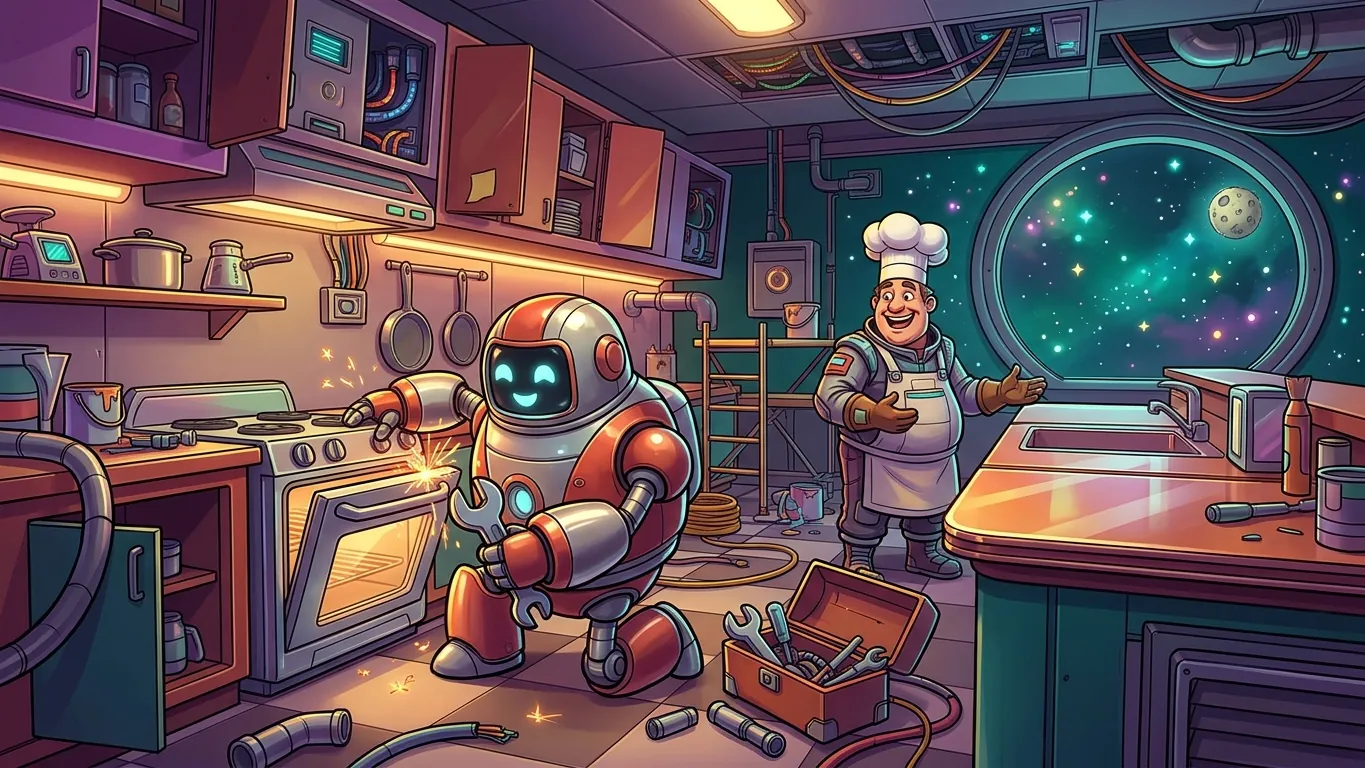
A thoughtful guide to choosing kitchen upgrades in the asteroid pizzeria: find your bottleneck, compare options and grow the diner at a calm pace.
Read more
 A gentle guide to discovering new recipes
Explore recipe discovery at the asteroid pizzeria: working with unusual ingredients, adding dishes at a comfortable pace and remembering a growing menu.
Read more