Ingredient conditions
Some guests may want a specific topping included, doubled or left out entirely. These are easy to miss when you are working quickly.
Alien guests at the asteroid pizzeria rarely ask for a plain slice. This guide shows how to break their funny requests into clear, manageable steps.
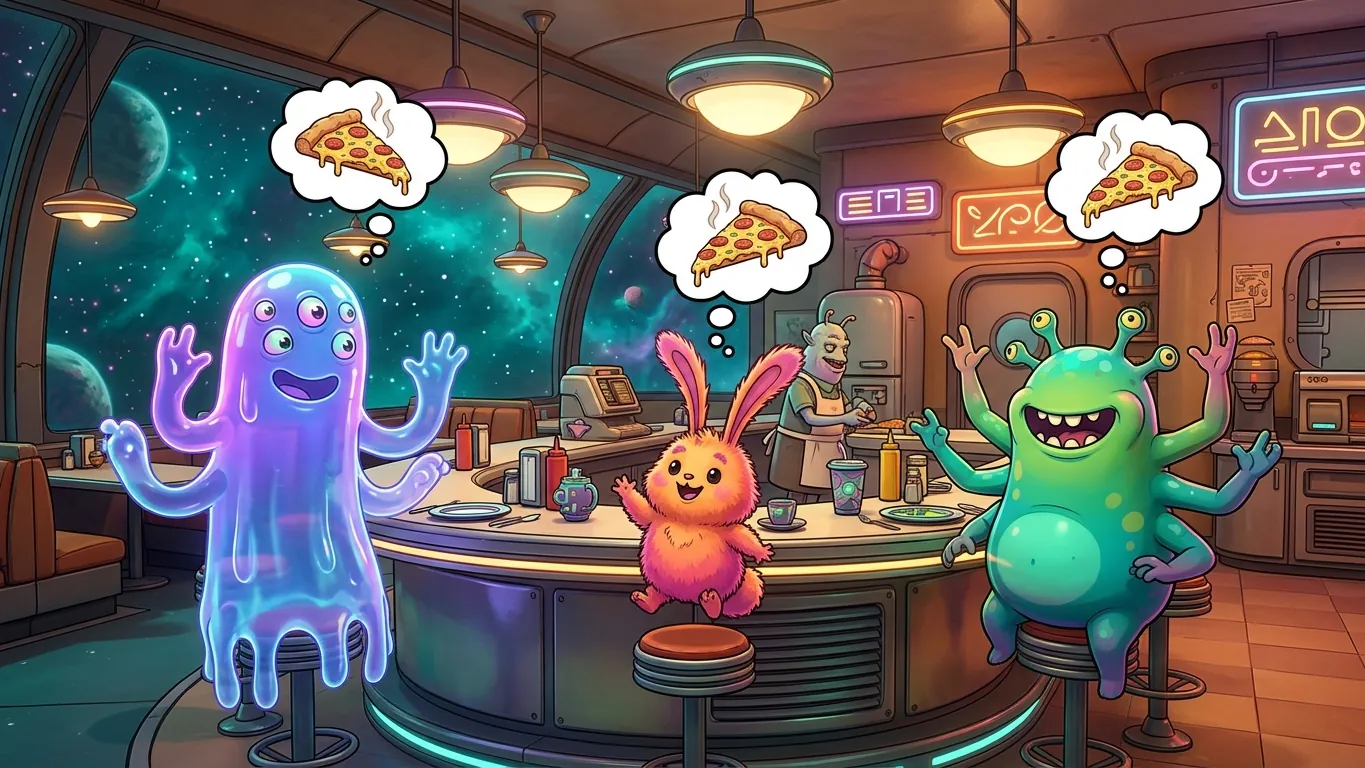
Part of the charm of the pizzeria on asteroid Canada is its clientele. The guests are aliens, and their tastes are not always what a human chef would expect. Orders often come with amusing requirements attached, turning a simple pizza into a small puzzle with a sense of humour.
These requests are where much of the game's personality lives. They give each guest a little character and make the diner feel like a busy crossroads for travellers from all over the stars.
They can also be a source of mistakes. A pizza that looks right at a glance may still miss a detail the guest cared about. Learning to read orders carefully is one of the most useful skills a new chef can build.
When an order looks complicated, try splitting it into pieces. First, identify the base dish: what kind of pizza is being asked for? Next, note any ingredients the guest wants included or left out. Finally, look for anything unusual, such as a particular arrangement or a condition about how the pizza should arrive.
Handling these parts one at a time makes even odd requests feel manageable. It also gives you natural checkpoints. Before launching, you can run through the list in your head: base, ingredients, special condition. If all three are covered, the pizza is ready.
This approach takes a few extra seconds early on, but those seconds tend to disappear as the habit becomes automatic.
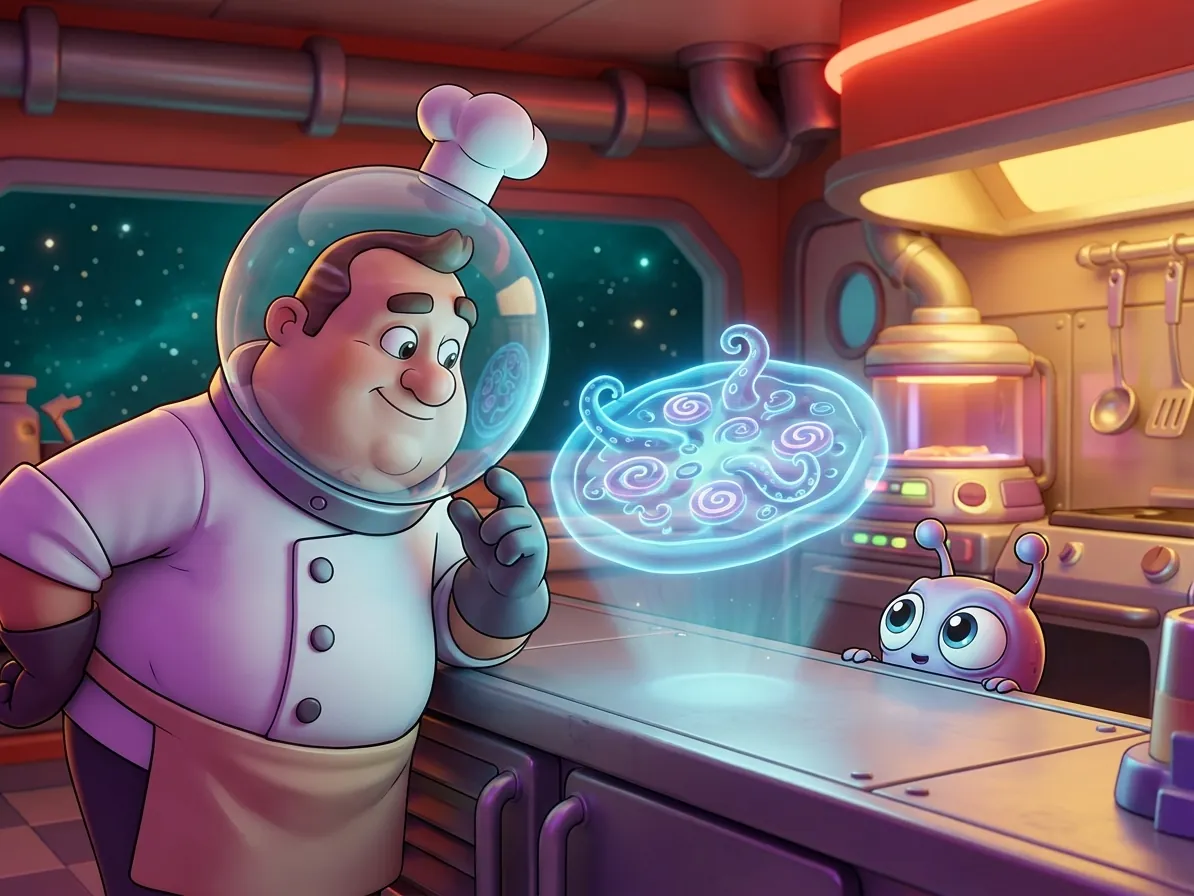
Every guest is different, but many unusual orders fall into a few broad patterns worth keeping in mind.
Some guests may want a specific topping included, doubled or left out entirely. These are easy to miss when you are working quickly.
A request might focus on how the pizza looks rather than what is on it, which rewards careful placement in the weightless kitchen.
Strange pairings of ingredients are part of the fun. Treat them as experiments rather than errors.
Occasionally the challenge is less about cooking and more about getting the order to the right place along a moving route.
As you play more shifts, you may notice certain kinds of requests appearing again and again. Each time, you get a little faster at recognising what is needed. Paying attention to these patterns is a gentle way to improve without studying anything formally.
If a particular type of order keeps tripping you up, slow down the next time it appears. Read it twice, build the pizza deliberately and check it before launching. A single careful attempt often fixes a habit that many hurried attempts could not.
It can also help to notice which requests you find most enjoyable. Many players develop favourite guests or favourite kinds of challenges, and that sense of familiarity makes the diner feel more like a real neighbourhood spot.
It is easy to treat every unusual order as an obstacle, but the requests are written to be fun. A guest who wants something absurd is part of the story of a tiny diner at the edge of space, not a trap. When you approach orders with curiosity rather than worry, mistakes feel less frustrating and successes feel more satisfying.
If you get one wrong, laugh it off, note what you missed and move on. The next guest is probably already drifting toward the counter with an equally strange idea.
Over time, reading alien orders becomes one of the most relaxing parts of a shift: a quick moment of puzzle-solving before the hands-on work of cooking and the timing challenge of delivery.
 Choosing kitchen upgrades for your space diner
A thoughtful guide to choosing kitchen upgrades in the asteroid pizzeria: find your bottleneck, compare options and grow the diner at a calm pace.
Read more
 A gentle guide to discovering new recipes
Explore recipe discovery at the asteroid pizzeria: working with unusual ingredients, adding dishes at a comfortable pace and remembering a growing menu.
Read more
 Rush mode: staying calm when the clock runs
Tips for the timed rush mode at the asteroid pizzeria: prepare before the timer, follow a steady routine, stay calm and learn from every attempt.
Read more