One pizza on the counter
Keep only the order in progress in front of you. Fewer objects in the air means fewer collisions and less clutter.
Ingredients in the asteroid kitchen never stay where you leave them. These tips help you work with weightlessness instead of fighting it.
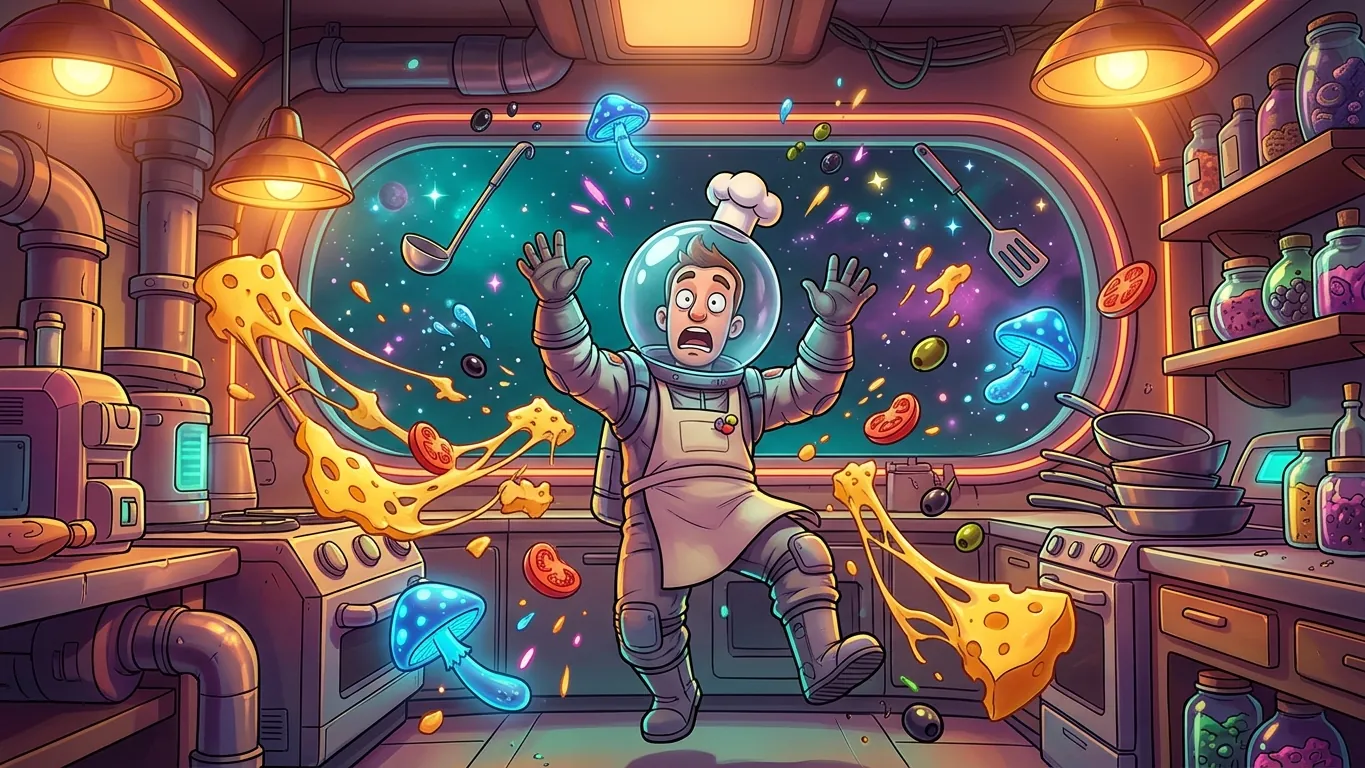
The pizzeria on asteroid Canada has a lovely view, but it comes with a catch: there is no gravity to hold your ingredients in place. Dough, sauce and toppings behave like small spacecraft. Once something is moving, it keeps moving until you catch it or it bumps into something else.
This is one of the playful heart beats of the game. It turns the ordinary act of making a pizza into a small physics puzzle. A topping placed gently will usually settle where you want it, while one tossed quickly may ricochet around the room.
Understanding that the kitchen rewards calm, controlled motion is the first step. Speed comes later, and it comes more easily once you trust how ingredients respond to your touch.
The instinct when an order arrives is to move fast. In a weightless kitchen, fast often means messy. A gentler approach tends to save time overall, because you spend less of it chasing toppings that went astray.
Try placing ingredients with short, precise motions, and watch where each one ends up before reaching for the next. If a piece starts drifting, correct it right away while it is still close to the pizza. A topping that has only moved a little is far easier to recover than one that has crossed the kitchen.
This also helps you build a feel for the game's sense of weight and momentum. After a few shifts, you begin to anticipate how far something will travel, and your hands start making small corrections before you even think about them.
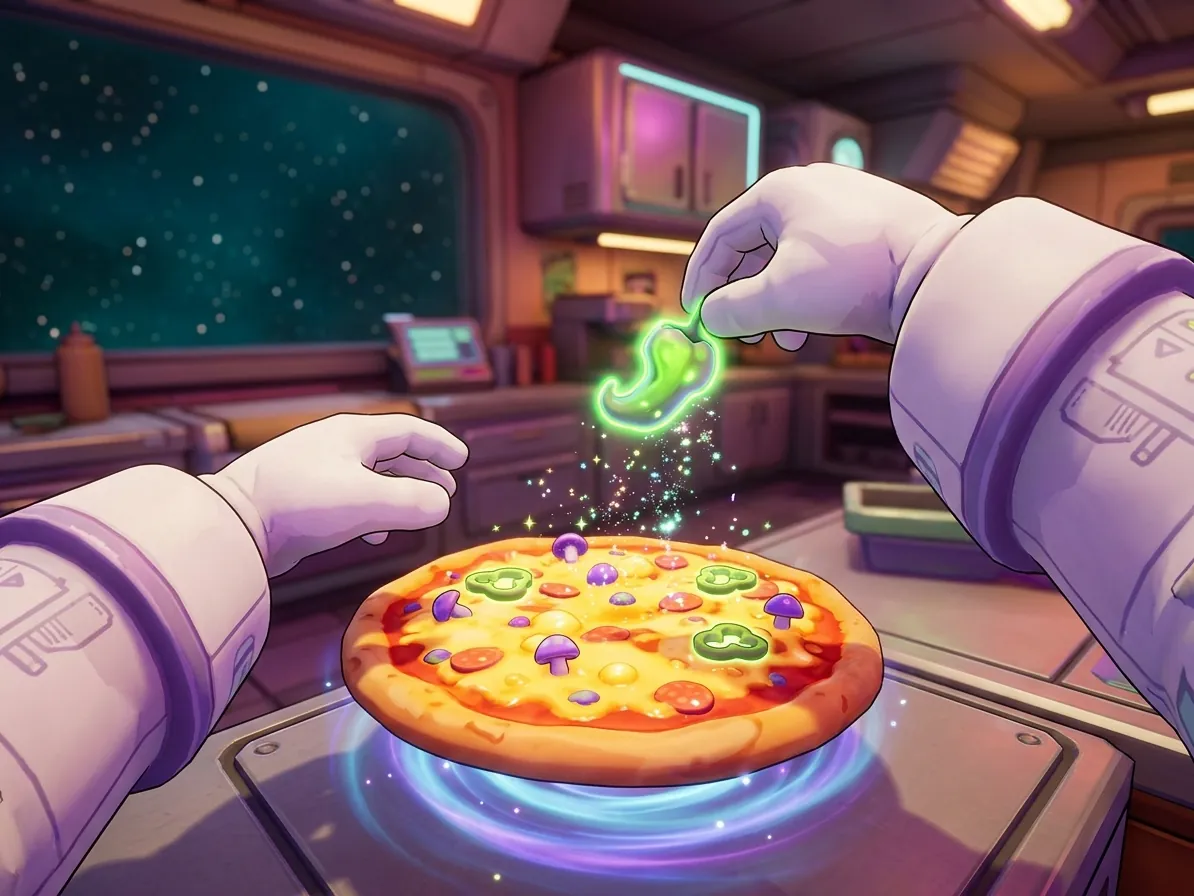
These small routines make the zero-gravity kitchen feel far more manageable.
Keep only the order in progress in front of you. Fewer objects in the air means fewer collisions and less clutter.
When you take out more than you need, put the extra back before it starts wandering. A clean kitchen stays clean with tiny efforts.
Take a quick look around after each delivery. Catching a stray olive now prevents it from interrupting the next pizza.
Settle the base and sauce first, then add toppings in a consistent order. A predictable sequence makes it easier to notice what is missing.
Once the basics feel natural, floating ingredients stop being an obstacle and start becoming part of the flow. Some players enjoy setting up a little rhythm: base, sauce, main topping, finishing touches, launch. Repeating the same sequence for every pizza builds muscle memory, which matters a great deal when the guests start arriving more quickly.
It also helps to keep an eye on the edges of the kitchen. Drifting ingredients tend to gather where they eventually come to rest, and a quick glance can tell you whether something important has escaped. Treat these glances as part of the rhythm rather than an interruption.
If your kitchen offers upgrades that affect how ingredients are handled, they may change how this rhythm feels. Revisit your routine after any improvement and adjust it to the new layout.
Every chef on asteroid Canada will watch a slice of tomato spin gracefully out of reach at some point. That moment is part of the charm. The cartoon style and the cozy diner make these small disasters feel light rather than frustrating, and they are a good reminder not to take every order too seriously.
When something goes wrong, take a second to notice why. Was the motion too quick? Was the counter crowded? Was your attention on the delivery route instead of the pizza? Each answer points to a small adjustment you can make next time.
Over many shifts, those adjustments add up to a kitchen that feels calm and under control, even in weightlessness. And when it does not, there is always the view of the stars to enjoy while you chase the runaway mushroom.
 Orbital delivery routes explained
An explainer on the moving orbital delivery routes around asteroid Canada: reading the map, choosing launch windows and balancing deliveries with cooking.
Read more
 Reading quirky alien orders without panic
How to read the playful, unusual requests alien guests bring to the asteroid pizzeria, break them into parts and serve them with fewer remakes.
Read more
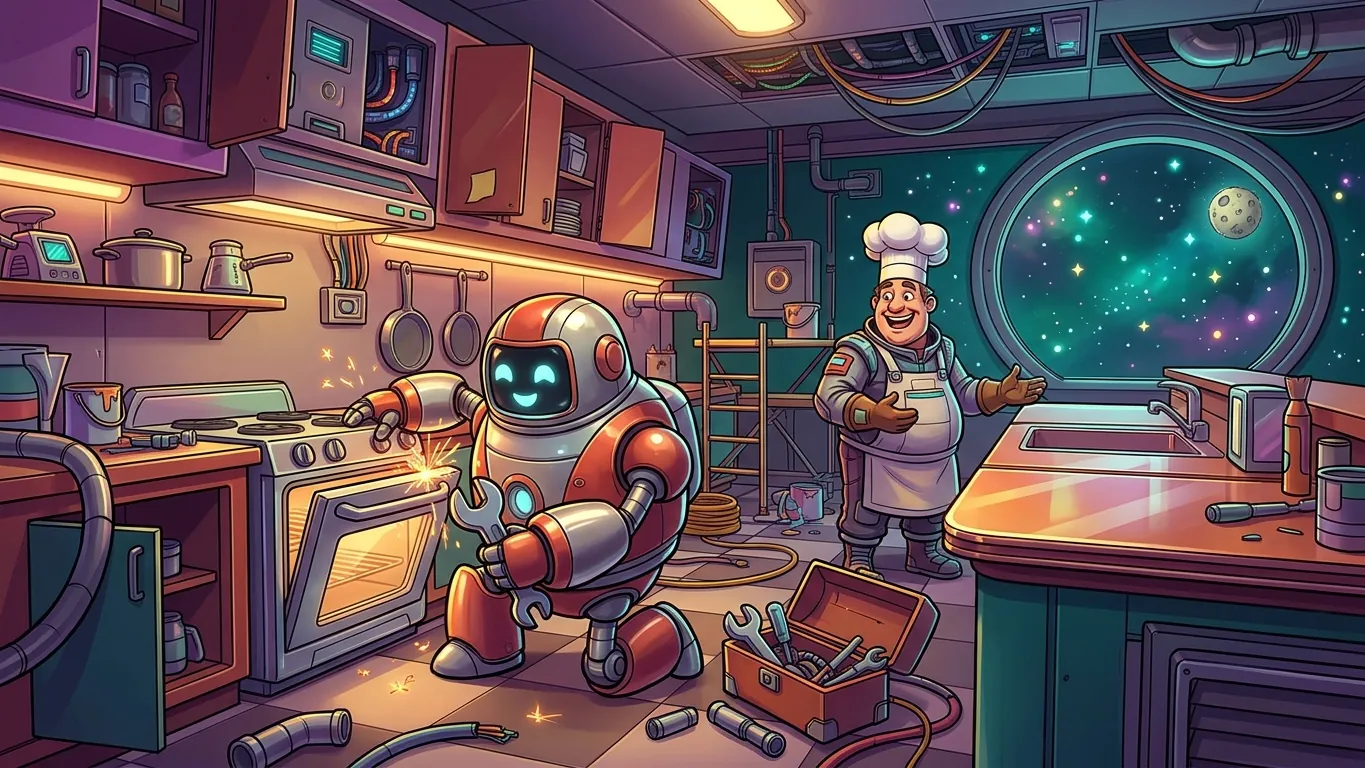 Choosing kitchen upgrades for your space diner
A thoughtful guide to choosing kitchen upgrades in the asteroid pizzeria: find your bottleneck, compare options and grow the diner at a calm pace.
Read more